Every caravan we’ve built began the same way: not with a vehicle, but with a conversation. Before we discuss chassis or layouts, we ask how someone lives — how they rest, cook, work, and what they want the road to give them. Building a caravan in India is still uncharted enough that there’s no template to fall back on. That’s precisely what makes it a design discipline rather than a fabrication job.
This is the philosophy behind how we build, told through the vans themselves.
Start With a Life, Not a Spec Sheet
A spec sheet tells you what a van contains. A brief tells you who it’s for. The difference sounds semantic until you’re deciding whether a workspace matters more than a fourth berth, or whether a client’s mornings begin with coffee or with a drum kit.
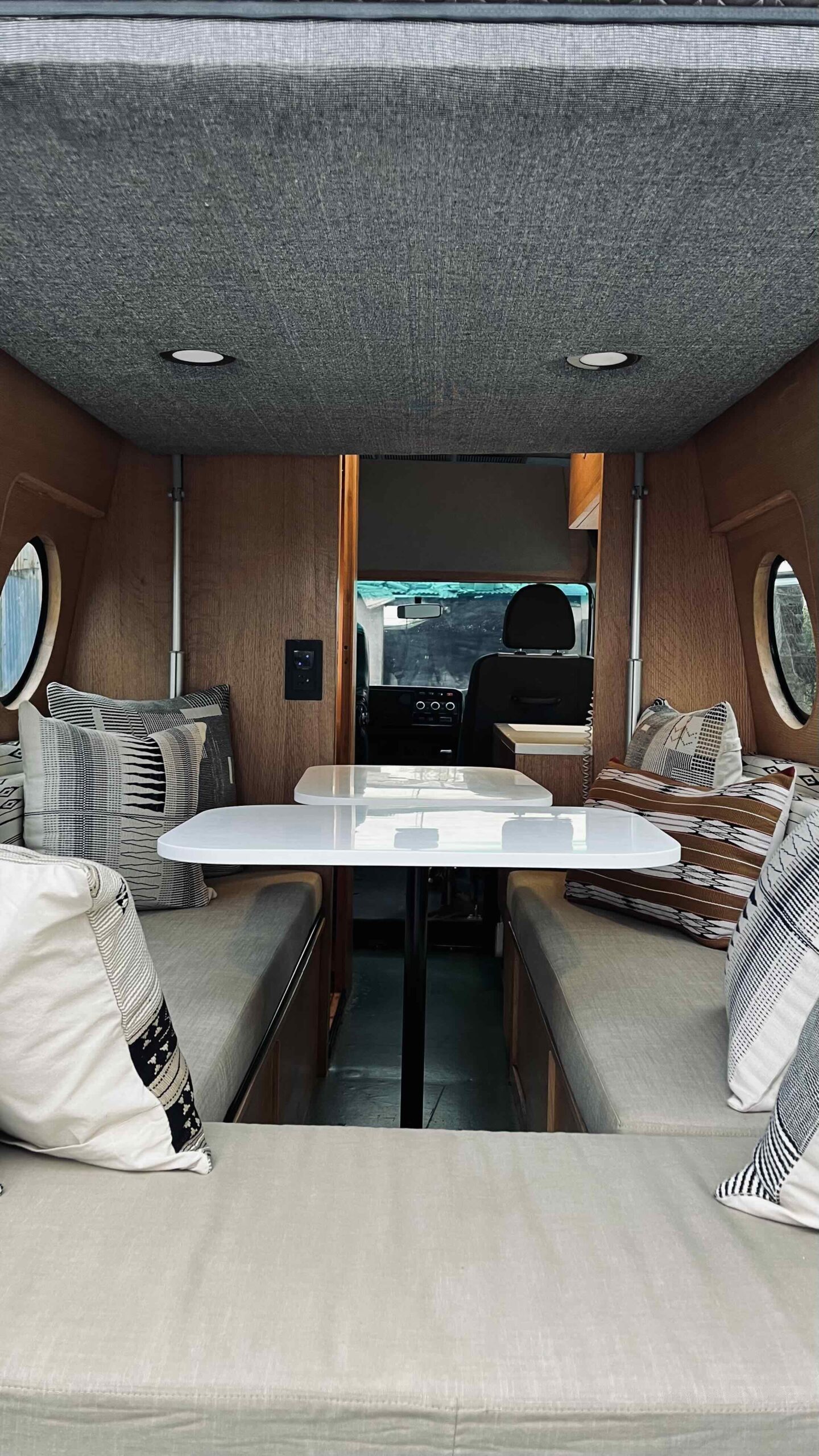
When the founders of Design Ni Dukaan commissioned Poly, the brief wasn’t ‘campervan’ — it was studio that moves. Two folding work tables, a projection-ready interior, light calibrated so an architect can actually judge colour. The workspace was the brief; everything else took shape around it.
Design for the Hundredth Day, Not the First
A caravan photographed on delivery day tells you nothing. The real test is month three — when materials have been lived against, storage has been fought with, and the layout has either earned its logic or revealed its compromises.
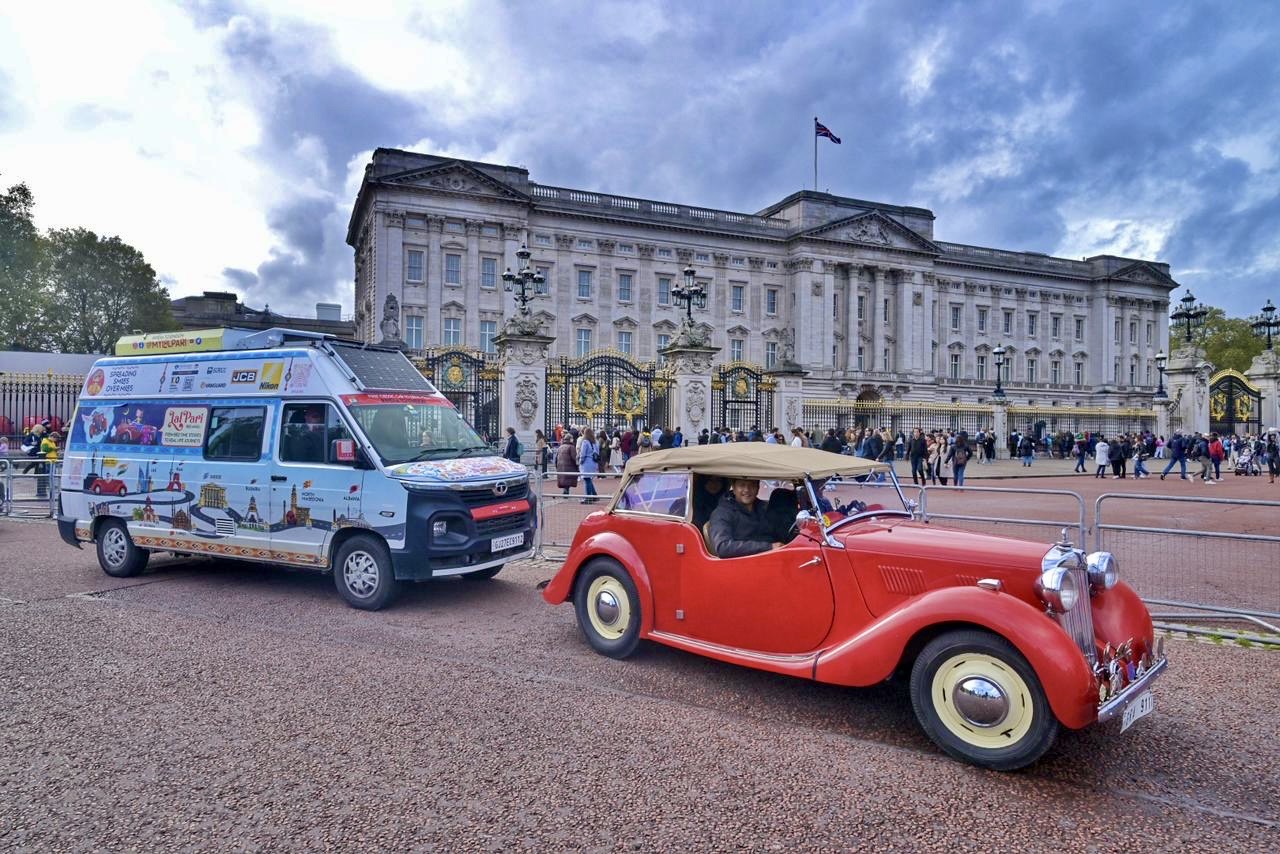
Lalpari Ki Saheli was built for exactly this test: three generations of one family, 12,000 kilometres, fourteen countries, India to London. Endurance was the brief. A van that could absorb whatever the road offered and still feel like somewhere worth returning to at the end of each day.
Small Footprints Demand the Most Design
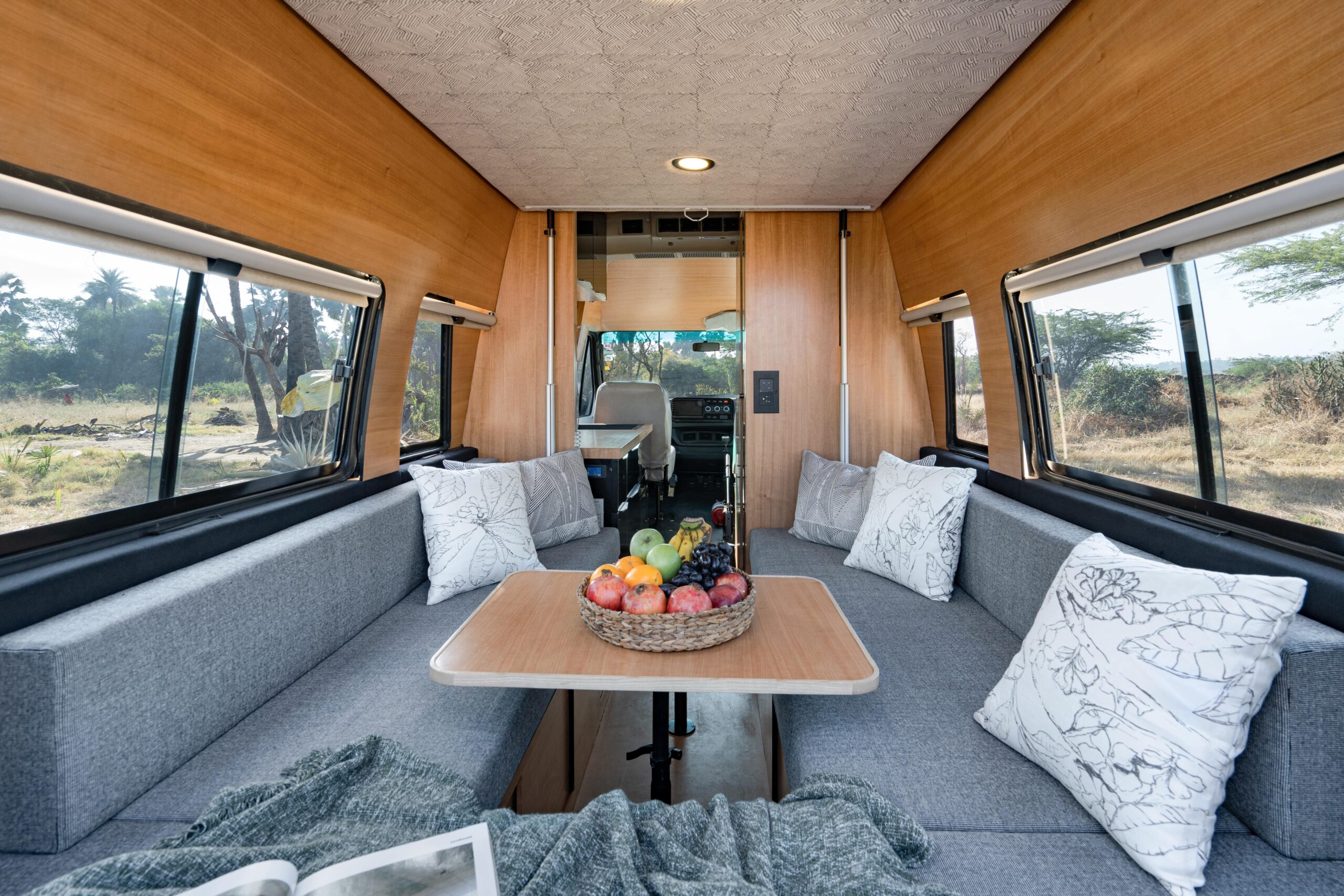
The instinct is to think bigger builds are harder. The opposite is true. Rosefinch — commissioned by a father for his nine-year-old daughter — fits a full bath, kitchenette, projector screen, and sleeping for four into 65 square feet on a Tata Winger. Nothing in that van is undesigned; at that scale, every centimetre is a decision.
It remains the most joyful vehicle we’ve delivered, which is its own design lesson: constraint and delight aren’t opposites.
Materials Are the Personality
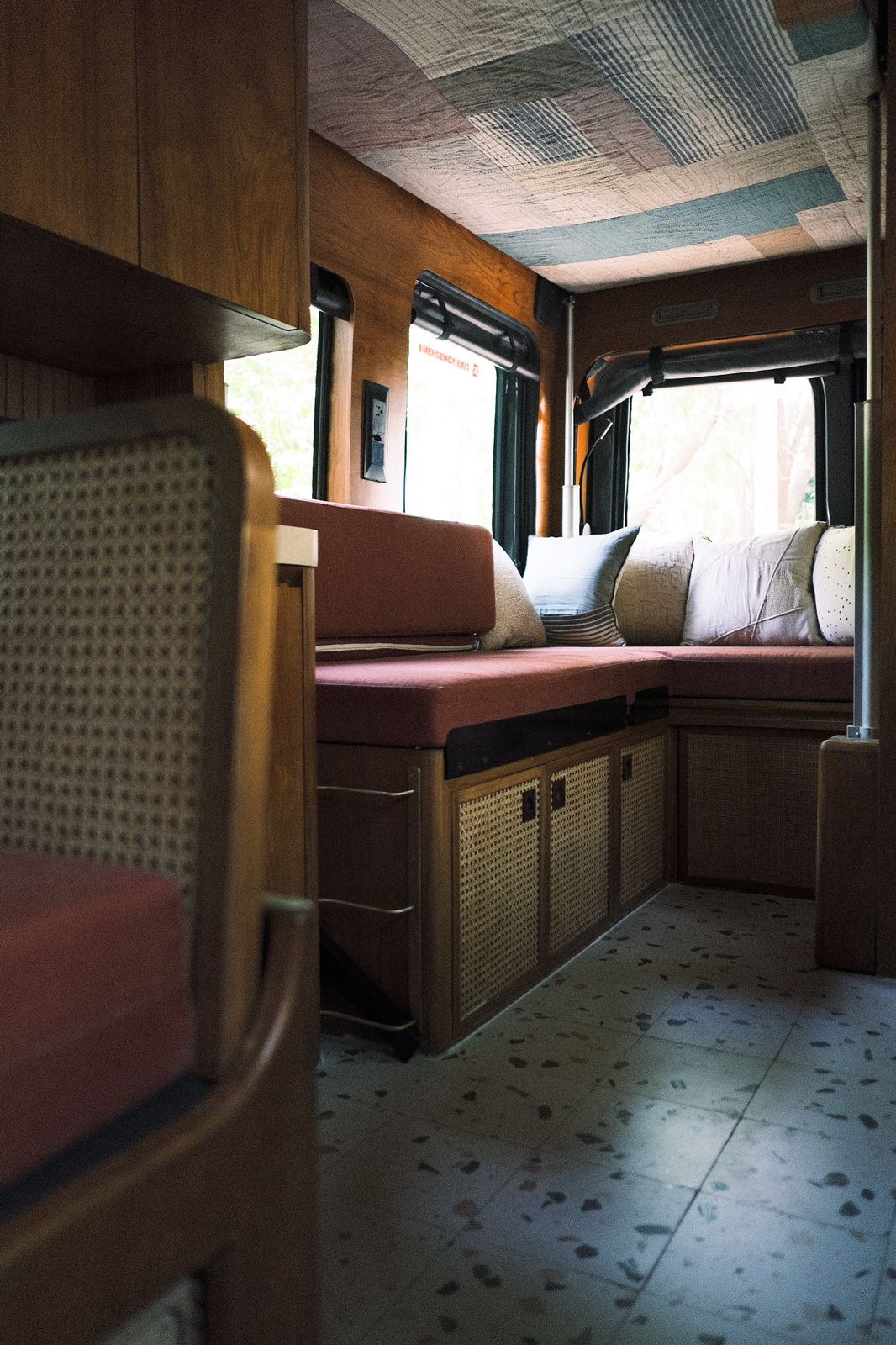
Two vans on identical platforms can be entirely different environments. Hobbit, built for a Delhi musician and audio engineer, is cane, natural wood, plants, and vintage objects — with custom drum storage beneath the bed and windows sized for feeling the wild, not just seeing it. Courser, our most recent commission, is warm cream leather and light oak, carrying the quietness of the Thar for a multigenerational Jaipur family.
Same discipline, opposite temperaments. The material palette isn’t decoration — it’s the van’s voice.
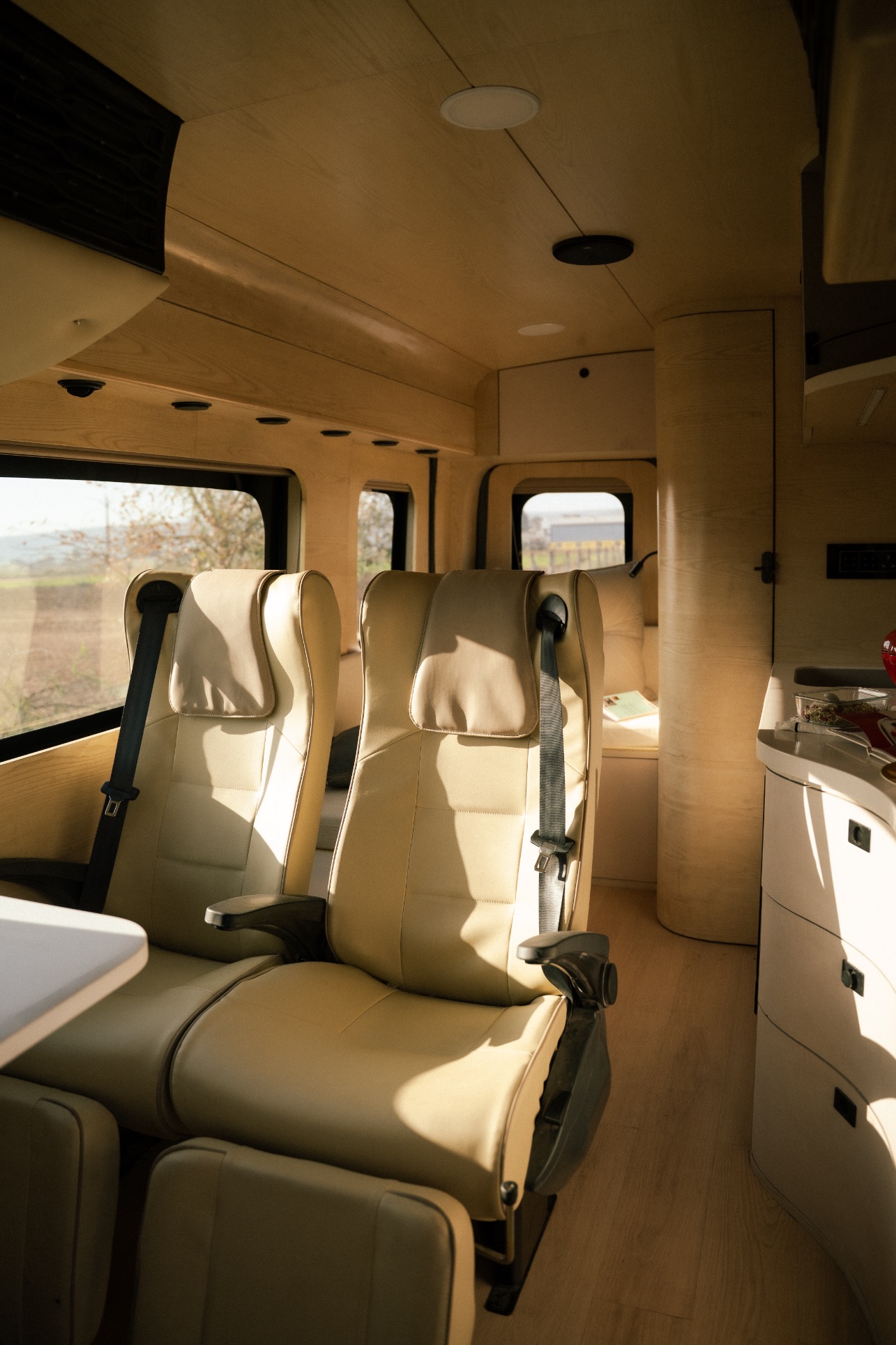
The Platform Matters Less Than You Think
We’ve built on the Force Tempo Traveller, Tata Winger High Roof, and Force Urbania. Clients often arrive asking which vehicle is best. The honest answer: the platform sets the envelope, but the design determines whether the space works. Our first two builds, Roller and Warbler, share an identical base — and are entirely different interiors, one teakwood warmth, one disappearing minimalism. The van that taught us the difference between a commission and a specification.
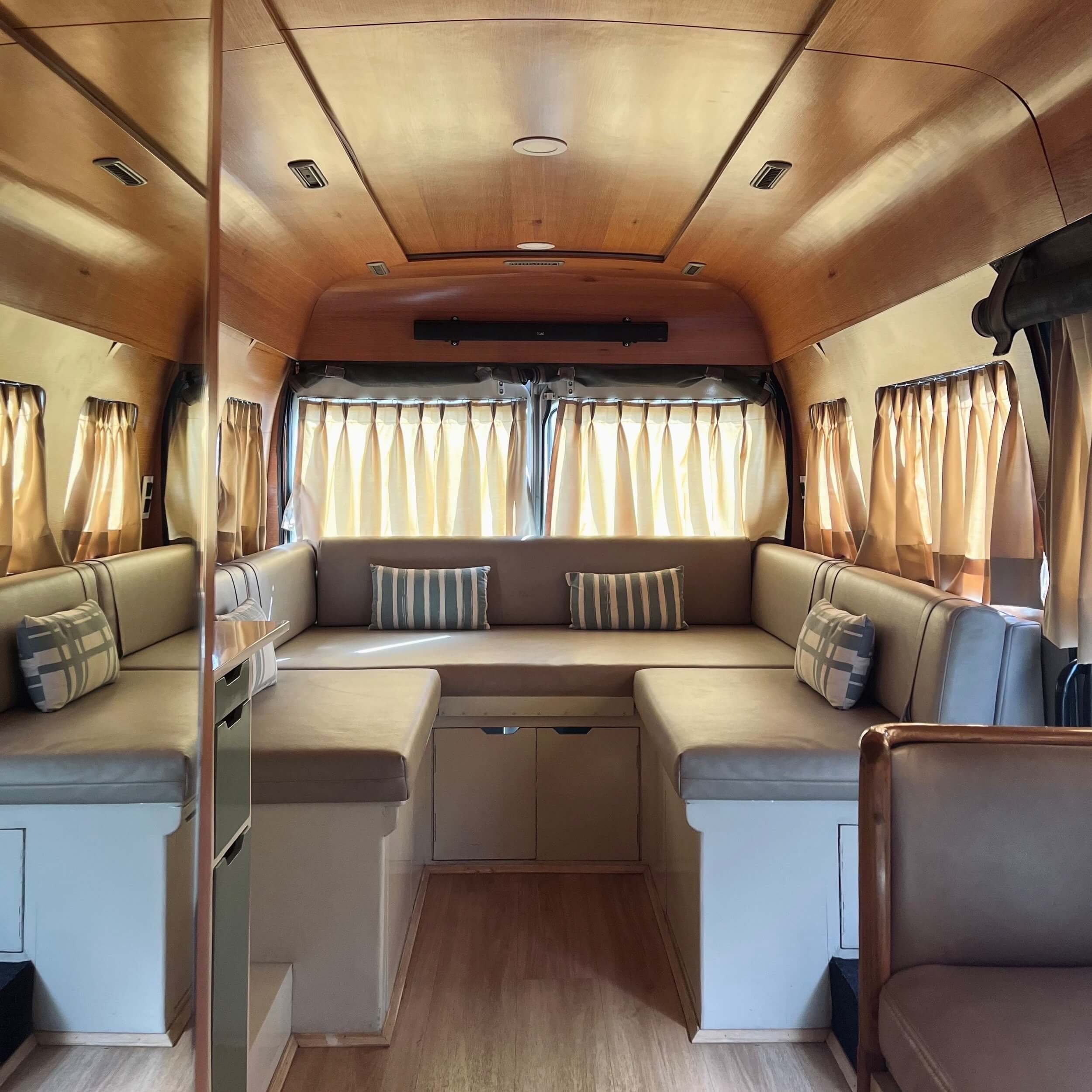

What a Commission Actually Involves
Every Vahn is a single environment, designed once, for one client. The process runs from brief to handover: conversations about how you live, a spatial design developed around that, material and layout decisions made together, then the build itself — structure, systems, interior — executed in our Ahmedabad workshop. Nine vehicles to date, from family expedition builds to rolling studios to two private commissions whose briefs went beyond anything documented here.
If you’re considering building a caravan in India — as a home, a studio, or something no one has briefed us on yet — every Vahn begins with a conversation.